How Smart Bird Feeders Work: AI, Cameras & Apps Explained
Smart bird feeder cameras represent one of the most delightful applications of consumer AI technology. They take something generations of birders have done with binoculars and field guides — identifying backyard visitors — and automate it entirely. But how does all of this actually work? This guide breaks down the technology behind these devices from camera sensor to species notification.
The Camera System
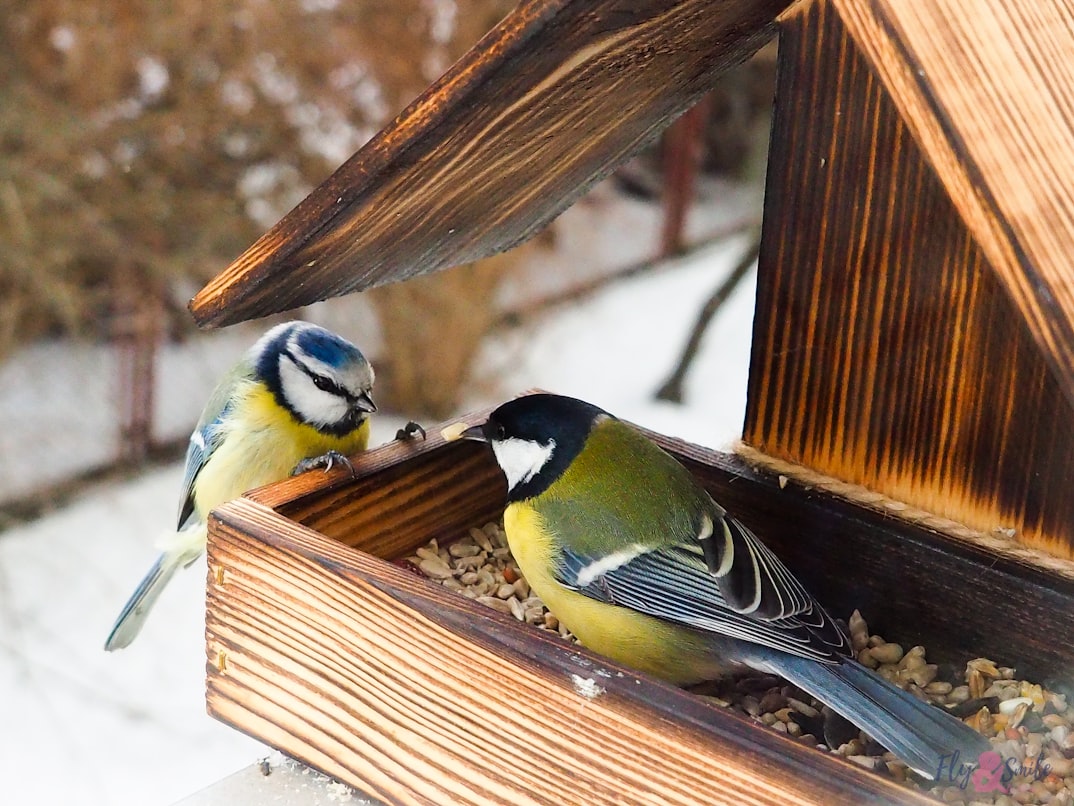
At its core, a smart bird feeder camera is a specialized wildlife camera adapted for the close-range, daylight-heavy conditions of backyard feeding. The image sensor — typically a CMOS chip between 1/2.3" and 1/1.8" in size — captures still images and video when triggered by motion or a perch sensor. Unlike trail cameras designed for distant deer or foxes, feeder cameras optimize for macro detail at 6–18 inches: feather texture, eye color, bill shape, and wing pattern. The lens focal length is typically wide-angle (120–140°) to capture birds approaching from multiple directions without missing arrivals. Most cameras include both daylight modes (color, high resolution) and low-light modes (infrared night vision or color night vision) that activate automatically at dusk. Some cameras, like the Kiwibit 4K, use a dedicated color night sensor that provides more useful detail than traditional infrared. Trigger speed matters more than most buyers realize. Hummingbirds visit for only 2–3 seconds; squirrels can trigger the camera and depart before it finishes initializing. Look for cameras with trigger speeds under 0.5 seconds from motion detection to first captured frame.
How AI Identifies Birds
The identification engine is what transforms a bird feeder camera from a wildlife camera into a smart birding assistant. Modern bird feeder cameras use convolutional neural networks (CNNs) — a form of deep learning — that have been trained on millions of verified bird photographs. When a bird lands at your feeder, the camera captures one or more frames and submits them to the AI model. The model analyzes hundreds of visual features simultaneously: overall body shape, bill morphology, plumage patterns, color distribution, tail shape, and wing markings. It outputs a species prediction with a confidence score. High confidence (85%+) identifications are immediately logged; lower-confidence identifications may be flagged for review in the app. Some cameras run AI models entirely on-device (faster, works offline), while others upload to cloud servers (access to larger models, better accuracy). Premium cameras like Bird Buddy PRO use a hybrid approach: fast on-device identification for common species, with cloud verification for unusual sightings. The species databases range from 200 common North American species (budget cameras) to 10,000+ global species (Birdfy 2 Pro). For US backyards, a 500-species North American database covers 99%+ of realistic visitors.
Related Review
Best AI Bird Feeder Cameras
Explore our expert-ranked picks for the best AI identification accuracy — from the Bird Buddy PRO's 97% accuracy to budget-friendly options.
Wi-Fi & App Connectivity
Smart feeder cameras connect to your home Wi-Fi network (2.4GHz band — 5GHz is rarely supported) and communicate with a companion smartphone app. This connection enables three key features: real-time notifications when birds arrive, remote live view so you can watch your feeder from anywhere, and AI cloud processing for identification. The app is the central interface for the entire smart feeder experience. Good apps (Birdfy, Bird Buddy) display identified species with photos, provide life list tracking, generate activity reports, and include educational content about each species. The quality of the app experience varies enormously between manufacturers — it's one of the most important factors to research before purchasing. Connectivity reliability depends on your Wi-Fi signal strength at the feeder location. Most cameras use 2.4GHz for better range through walls and obstacles. If your router signal is weak in the backyard, a Wi-Fi mesh extender can dramatically improve camera reliability.
Power & Solar Systems
Smart bird feeder cameras draw continuous power for the camera system, Wi-Fi radio, AI processor, and recording components. Three power configurations are available: battery-only, solar-assisted, and wired. Battery-only cameras use rechargeable lithium cells (typically 5,000–12,000mAh) charged via USB-C. In moderate use (30–50 bird events per day), expect 2–4 weeks per charge. Cold weather reduces lithium battery efficiency by 20–40%. Solar-assisted cameras include a photovoltaic panel that continuously trickle-charges the backup battery during daylight hours. In full sun, a 2W panel generates enough power to run the camera on solar alone during the day while simultaneously recharging the battery for nighttime operation. The net result is dramatically extended battery life — often indefinite in southern US latitudes. Wired cameras connect to outdoor electrical outlets for unlimited runtime, but require running low-voltage cables to the feeder location, which limits placement flexibility.
Related Review
Best Solar Bird Feeder Cameras
Solar-powered smart feeders represent the most maintenance-free way to enjoy all these smart features.
Storage & Cloud
Smart feeder cameras handle footage storage in two ways. Local storage uses a microSD card (usually 32–256GB depending on camera and card size) installed in the camera housing. Clips are saved directly when triggered, requiring no internet connection and no monthly fees. Local storage gives complete control over footage but requires periodic manual management. Cloud storage sends clips to manufacturer servers for automatic backup, organization, and AI-enhanced search. Cloud features typically include searchable history by species, shareable highlight reels, and cross-device access. Cloud storage requires an active subscription (typically $3–$12/month) and a reliable internet connection. Many cameras support both simultaneously — storing locally for redundancy while also uploading to the cloud for convenience. For casual birders, local storage is perfectly adequate. For serious life list keepers who want to search five years of footage by species, cloud storage is transformative.
Frequently Asked Questions
Related Guides