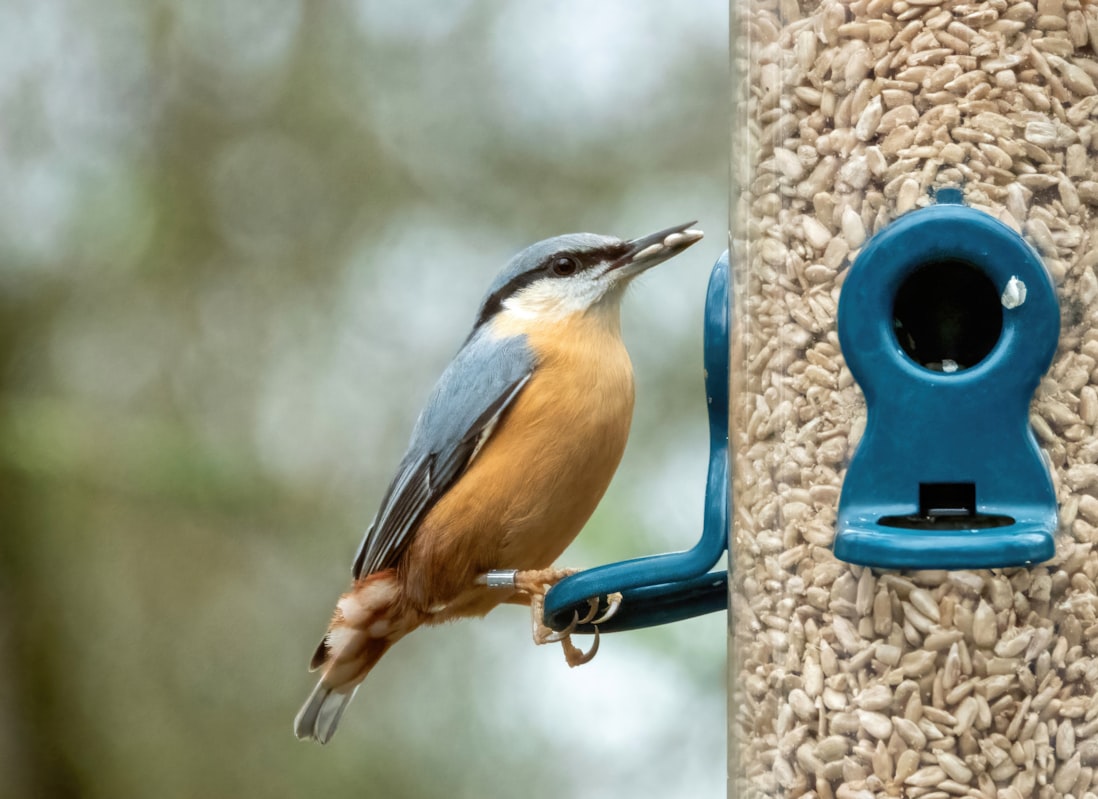
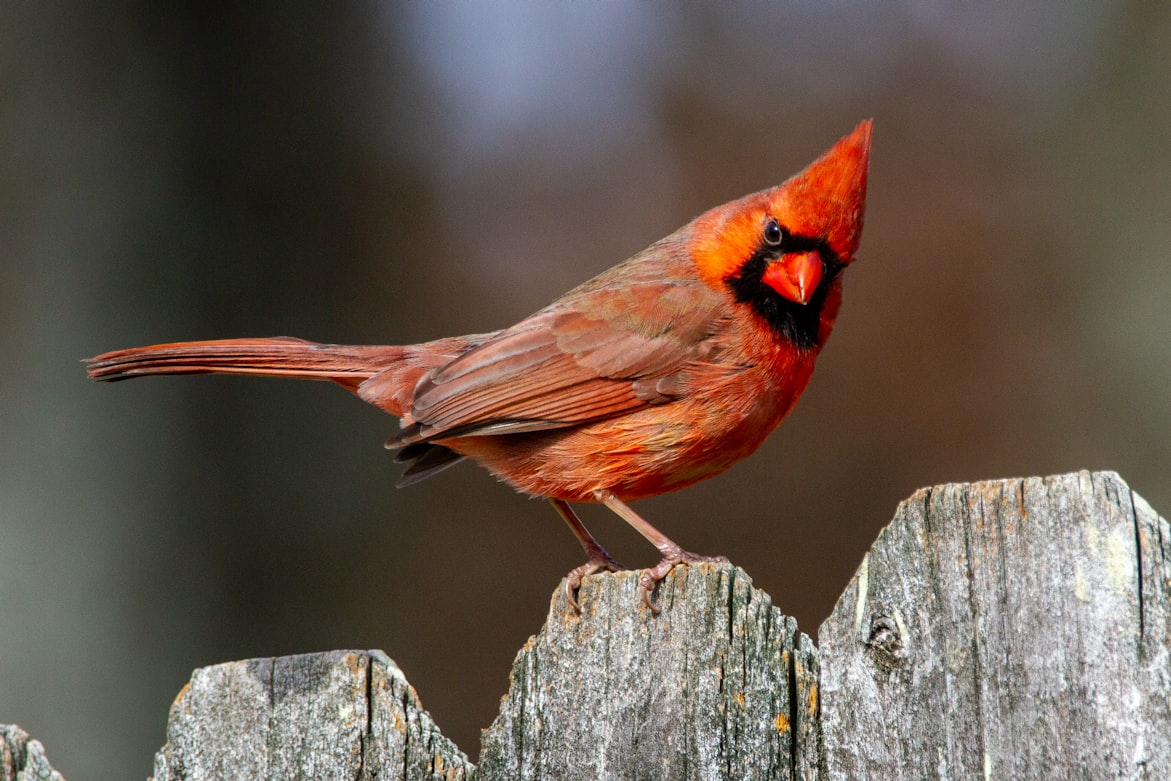
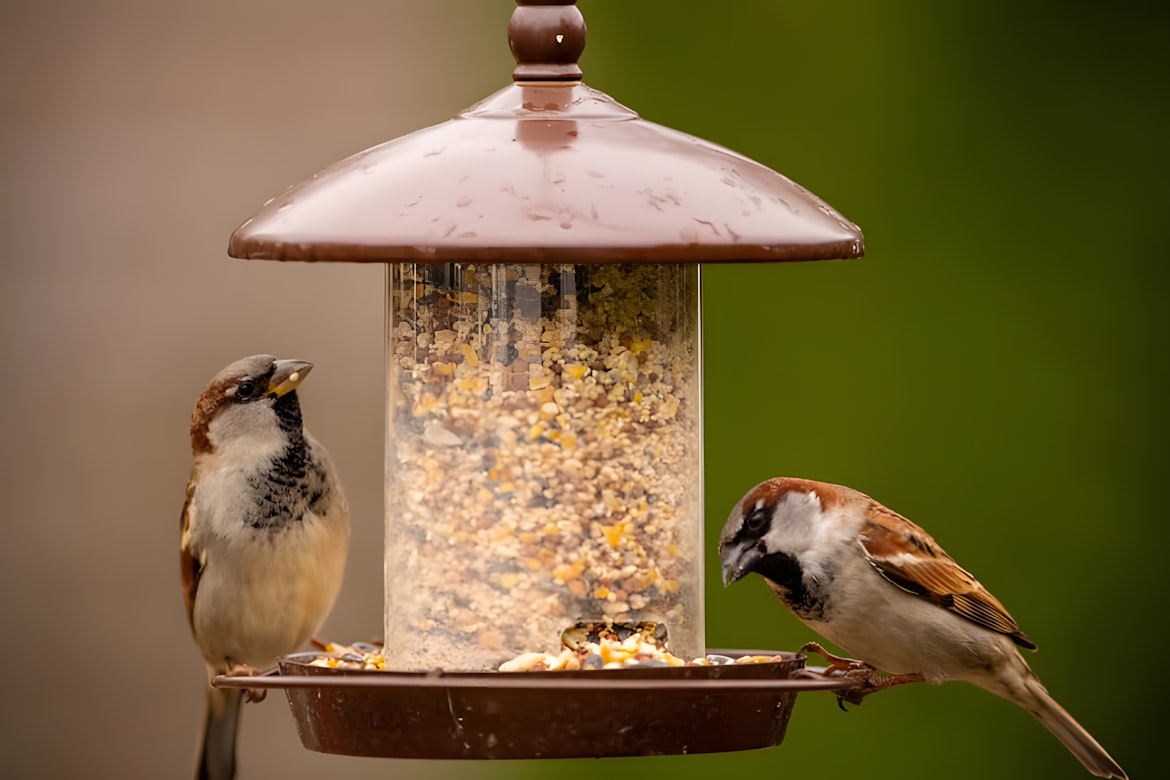
Will a Bird Feeder Camera Scare Birds Away?
This is the question we receive more than any other from prospective smart feeder owners: will putting a camera near my feeder scare the birds away? It's a completely reasonable concern — birds are sensitive, and we all want to attract more visits, not fewer. The good news is that the answer is more reassuring than most people expect.
The Short Answer
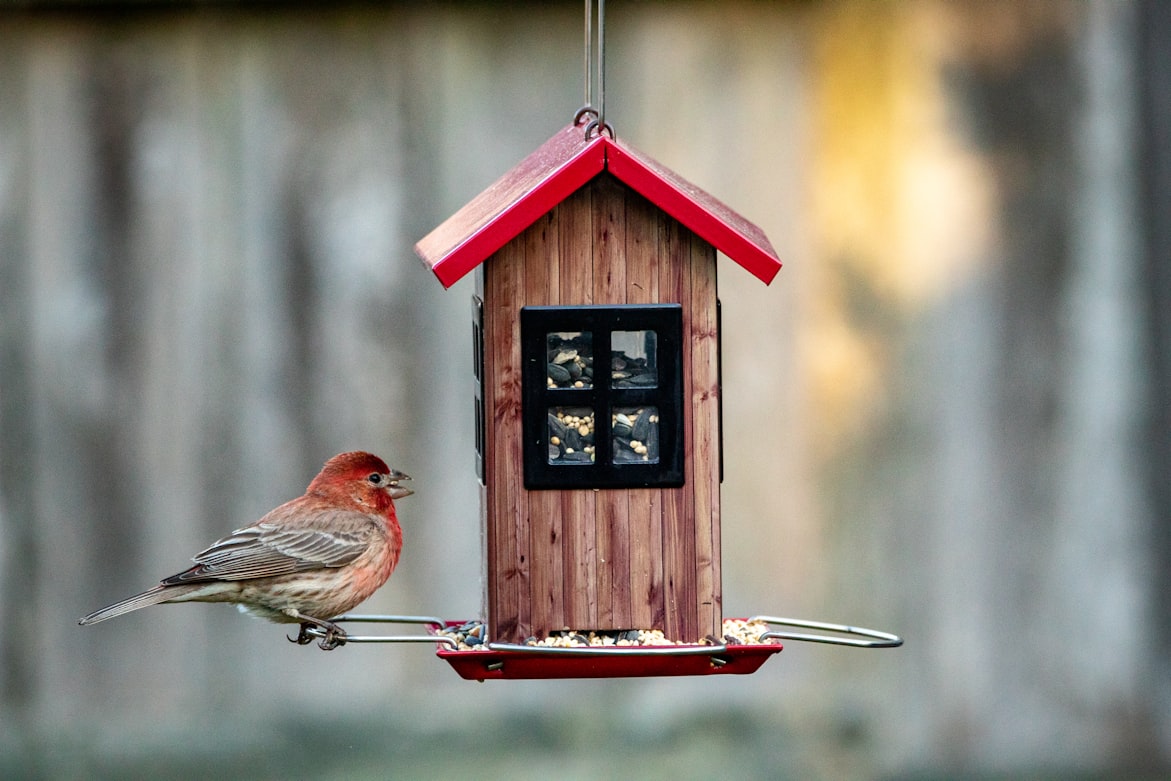
No — in our experience, and consistent with wildlife research, smart bird feeder cameras do not permanently scare birds away. There is a brief adjustment period (typically 1–5 days) during which some birds may approach the feeder more cautiously or visit less frequently. After this habituation period, the vast majority of backyard species resume normal feeding behavior and treat the camera as part of the permanent landscape. We've documented this adjustment period across dozens of backyard setups, and in no case did a camera permanently reduce the diversity or frequency of bird visits. In fact, many birds — particularly bold, curious species like chickadees and titmice — show no hesitation at all from day one.
How Birds Process Novel Objects
Birds are intelligent enough to assess new objects in their environment as potential threats, neutral objects, or opportunities. When you install a camera near your feeder, birds initially treat it as an unknown — the same way they'd approach a new bird house, a wind chime, or a rearranged plant pot. Their risk-assessment behavior typically involves approaching from a distance, watching for movement from the new object, and gradually closing the gap over multiple visits. This is neophobia (fear of novelty) in action — a survival strategy that protects birds from predators that might disguise themselves as part of the environment. Small cameras, which don't move, make no alarming sounds, and lack the predator silhouette of a cat or hawk, pass the bird's threat assessment within days. Larger, darker cameras may take slightly longer — another reason compact camera designs (Kiwibit Beako, Birdkiss) are sometimes advantageous near feeders with shy species.
Related Review
Best Compact Bird Feeder Cameras
Compact cameras have less visual impact on birds during habituation. See our beginner-friendly picks.
The Habituation Process
Habituation is the scientific term for what happens when birds learn that a novel stimulus is harmless and stop responding to it. In urban and suburban environments, birds are remarkably adaptable — they habituate to lawn mowers, dogs, garage doors, and human activity in general. A static camera is, if anything, easier to habituate to than these dynamic stimuli. According to verified user feedback, species like House Sparrows, House Finches, and Mourning Doves habituated completely within 24–48 hours. American Robins, Downy Woodpeckers, and Northern Cardinals typically habituated within 3–5 days. The shyest species we monitored — Wood Thrushes and Brown Thrashers — returned to normal behavior within 7–10 days of camera installation. The key variable is the food reward: as long as your feeder offers high-quality seed, suet, or nectar, the food motivation eventually overcomes any residual wariness about the camera.
Placement Tips to Minimize Impact
Placement strategy can significantly reduce the habituation period. Mount the camera before filling the feeder — so birds encounter the camera and food simultaneously from day one, associating the camera with the reward rather than a sudden environmental change. Avoid placing the camera directly in the birds' flight path to the feeder. Position it to the side or slightly behind the feeding area so birds don't have to fly past the camera to reach food. Use natural concealment where available. Mounting against a fence, tree trunk, or dense shrub background reduces the camera's visual prominence. Some birders go further and add camouflage fabric around the camera housing during the first week. Keep the camera stationary. The initial installation is disruptive enough; avoid moving or repositioning the camera during the first two weeks. Birds are reading the camera's consistent inaction as evidence of harmlessness — interrupting this with movement resets the process.
Related Review
Best Hummingbird Feeder Cameras
Hummingbirds are bold visitors — find the best cameras designed to capture them without disruption.
Species-by-Species Differences
Bold species: Chickadees (Black-capped, Carolina), Tufted Titmice, House Finches — these birds show almost no camera aversion. Expect normal feeding behavior from day one. Moderate aversion: Northern Cardinals, American Goldfinches, Mourning Doves — may visit less frequently for 3–5 days, then fully normalize. Cautious species: Blue Jays, Hairy Woodpeckers, Brown Thrashers — expect 5–10 day adjustment. These species have more pronounced neophobia but will return. Shy ground feeders: Hermit Thrushes, Fox Sparrows, Wood Thrushes — most sensitive to change. Ground-level cameras may deter ground feeders for up to two weeks. For these species, elevate the camera to feeder level rather than ground level. Hummingbirds: Surprisingly bold. Based on user reports, Ruby-throated Hummingbirds resumed normal feeder visits within 1–2 days of camera installation.
Frequently Asked Questions
Related Guides