15 Most Common Backyard Birds in the US (& How to Attract Them)
America's backyards host an astonishing variety of bird life year-round — from the familiar flash of a Northern Cardinal to the industrious tapping of a Downy Woodpecker. This guide covers the 15 most commonly encountered backyard bird species across the continental US, what they prefer to eat, and how to attract more of them to your feeder.
Songbirds & Finches
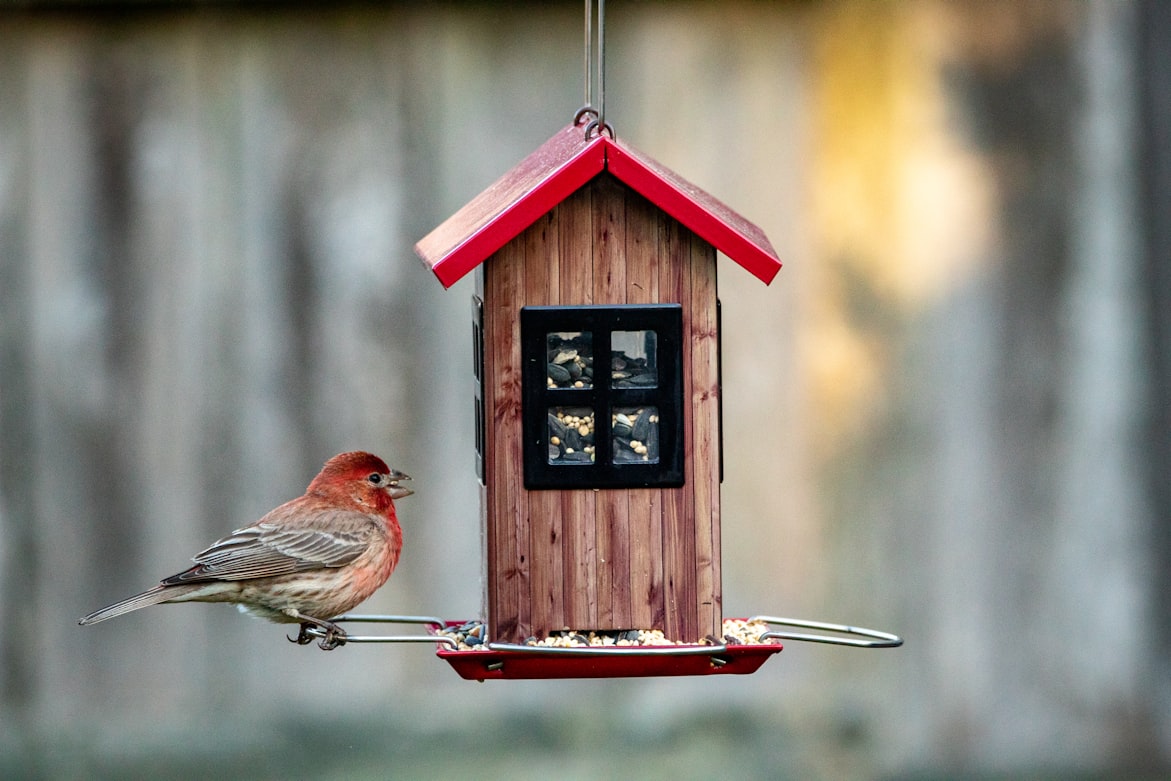
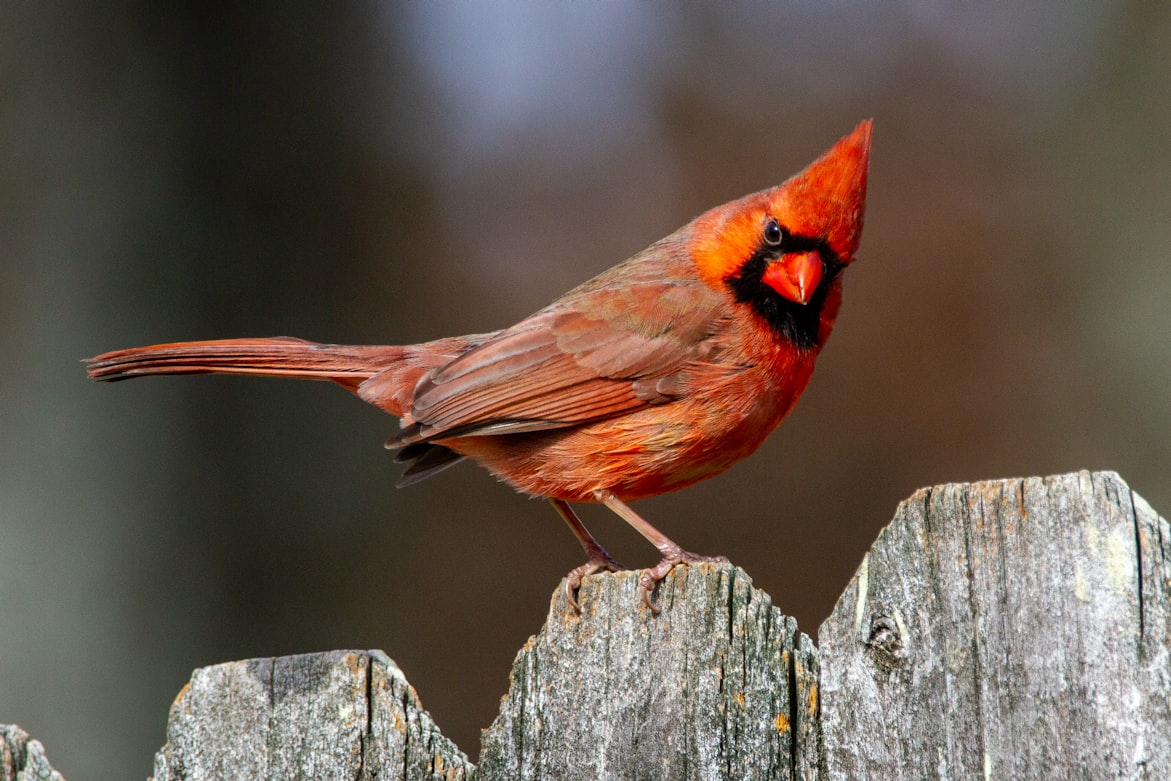
Northern Cardinal (Cardinalis cardinalis): The most-requested backyard bird in America. Males are brilliantly red; females a warm brown with red-tipped crest. Cardinals prefer sunflower seeds, especially black oil sunflower. They feed at platform feeders and tube feeders with generous perches. Unlike many birds, cardinals visit feeders at dawn and dusk preferentially — excellent for morning and evening camera captures. American Goldfinch (Spinus tristis): These birds transform from olive-yellow in winter to brilliant yellow in summer — a transformation that delights camera watchers. Goldfinches are specialists: nyjer (thistle) seed and nyjer tube feeders are by far the best attractant. They visit in flocks, so a camera near a nyjer feeder will rarely have a dull moment. House Finch (Haemorhous mexicanus): Common across the entire country, House Finches eat sunflower seeds, millet, and nyjer. Males have red or orange-red heads and chests (color intensity varies with diet quality). Easy to attract and among the first species to discover a new feeder — often within hours. American Robin (Turdus migratorius): Robins are fruit and worm feeders, not typical seed feeder visitors. Attract them with a birdbath (they're passionate bathers), fruit-bearing shrubs, or a platform feeder stocked with raisins and berries. Black-capped/Carolina Chickadee (Poecile atricapillus / carolinensis): One of the boldest, most curious backyard birds — and often the first to discover a new feeder. Black oil sunflower and suet are their favorites. Chickadees cache seeds for later retrieval, so they visit feeders constantly even when not actively eating.
Woodpeckers & Nuthatches
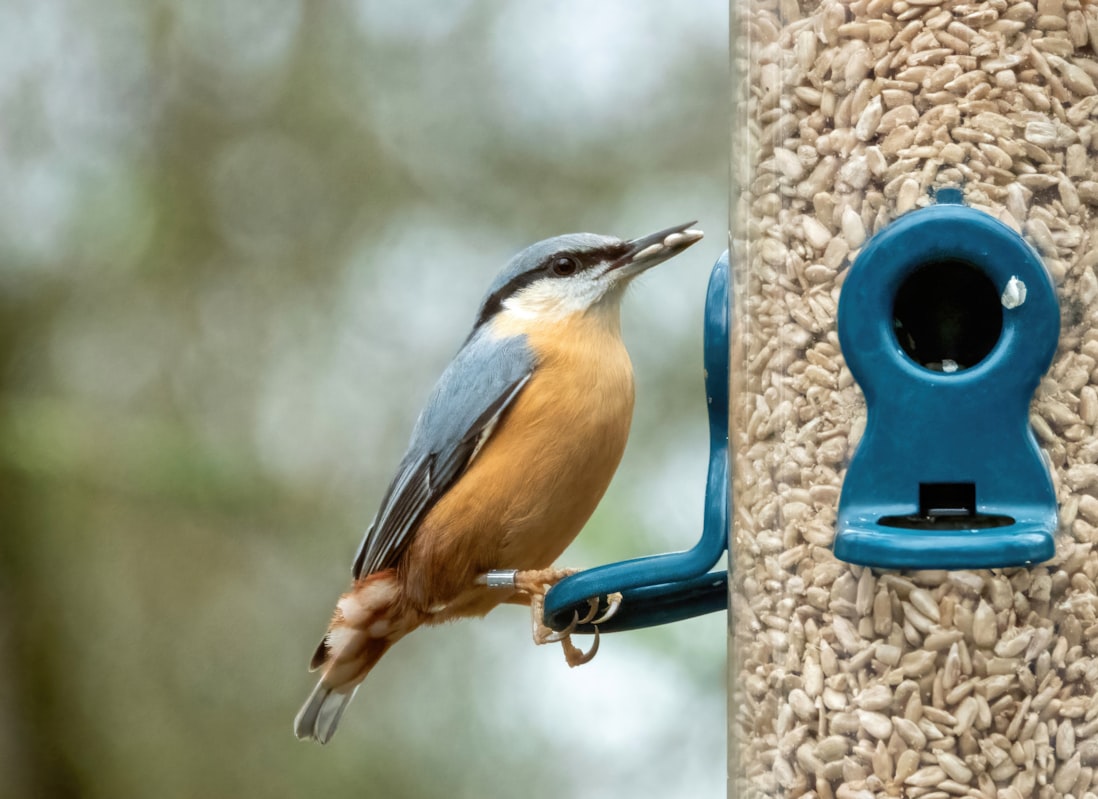
Downy Woodpecker (Dryobates pubescens): The smallest North American woodpecker and the most common feeder visitor of the group. Downies adore suet — a suet cage near any tree will attract them reliably. They also eat sunflower seeds. Downy Woodpeckers are comfortable in small suburban yards and visit year-round. Hairy Woodpecker (Dryobates villosus): Larger and shyer than the Downy, the Hairy Woodpecker prefers larger wooded areas but readily visits backyard suet feeders. It's worth noting the distinction: Hairy has a longer bill proportional to head size compared to Downy — a classic field identification challenge. Red-bellied Woodpecker (Melanerpes carolinus): Found in the eastern half of the US, this stunning woodpecker has a barred back and a bold red cap. It eats suet, sunflower seeds, and fruit. More dominant than Downy and Hairy Woodpeckers — it will monopolize a suet cage when present. White-breasted Nuthatch (Sitta carolinensis): Nuthatches are memorable for feeding headfirst down tree trunks — the only North American bird that does this routinely. They eat sunflower seeds and suet, often caching seeds in bark crevices. Their nasal 'yank-yank' call usually announces them before they arrive at the feeder.
Related Review
Best Smart Bird Feeder Cameras
AI cameras automatically identify and catalog every species visiting your feeder — perfect for building a life list of all 15 species in this guide.
Sparrows & Ground Feeders
Song Sparrow (Melospiza melodia): One of the most widespread North American birds — there are nearly 50 recognized subspecies. Song Sparrows eat millet, sunflower chips, and cracked corn. They prefer low platform feeders or ground feeding. Their complex, musical songs are a backyard delight from early spring through summer. Dark-eyed Junco (Junco hyemalis): The 'snowbirds' — Juncos are reliable winter visitors across the US, arriving when temperatures drop and departing in spring. They strongly prefer white millet scattered directly on the ground. Among the best winter subjects for a smart feeder camera. Mourning Dove (Zenaida macroura): Gentle, plentiful, and somewhat clumsy at tube feeders, Mourning Doves thrive on platform feeders with millet and cracked corn. They feed in pairs or small groups and are among the tamest backyard birds — often allowing close approach. House Sparrow (Passer domesticus): Abundant and year-round, House Sparrows eat almost anything. While sometimes a pest at feeders due to their aggressive behavior toward native species, they're easy to attract and among the quickest birds to discover new feeders.
Hummingbirds
Ruby-throated Hummingbird (Archilochus colubris): The only hummingbird species east of the Mississippi, the Ruby-throated is among the most spectacular feeder visitors in the eastern US. Males display an iridescent ruby throat (gorget) visible only in direct light — a genuinely exciting camera capture. Attract with nectar feeders (4:1 water to white sugar, no red dye) positioned in partial shade. Anna's Hummingbird (Calypte anna): Year-round resident along the Pacific Coast, Anna's Hummingbirds are the most commonly photographed hummingbirds in the US. Unlike most hummingbirds, they don't migrate — a well-maintained nectar feeder will attract them 12 months of the year in coastal California, Oregon, and Washington.
Related Review
Best Hummingbird Feeder Cameras
Capture Ruby-throated and Anna's Hummingbirds in wing-freezing detail with a dedicated hummingbird camera.
Universal Tips for Attracting More Birds
Water is as important as food. A reliable, clean birdbath attracts species that never visit seed feeders. Moving water (a dripper, mister, or solar fountain) is dramatically more effective than a static bath — birds detect the sound of water from great distances. Native plants provide food and shelter that feeders alone can't replicate. Berry-producing natives (serviceberry, elderberry, beautyberry), seed-producing natives (coneflower, black-eyed Susan), and caterpillar-host trees (oaks, willows, cherries) make your yard a genuine habitat, not just a feeding station. Feeder placement matters: place feeders within 3 feet of a window (to prevent window strikes at low speed) or more than 30 feet away (to give birds time to see and avoid the glass). Avoid placing feeders in locations where cats can easily ambush visiting birds. Clean your feeders regularly. Moldy or rancid seed is rejected by birds and can cause disease. Clean feeders every 1–2 weeks with a 10% bleach solution and rinse thoroughly.
Frequently Asked Questions
Related Guides